: Turn off Wi-Fi and Bluetooth when you aren't using them to prevent nearby devices from tracking your location. 4. Handle Data Responsibly
: Be wary of suspicious emails or texts asking for personal info. Organizations like the Office of the Australian Information Commissioner (OAIC) suggest always asking "why, how, and who" before sharing any data.
: Avoid oversharing personal details like your birth date, home address, or vacation plans, which can be used for identity theft or targeted scams.
: Always turn on MFA. This adds a second layer of security, such as a code sent to your phone, making it much harder for hackers to get in even if they find your password.
: Public networks at cafes or airports can be easily intercepted. Use a Virtual Private Network (VPN) to encrypt your traffic and hide your activity from eavesdroppers.
: Create passwords with at least eight characters, including uppercase and lowercase letters, numbers, and special symbols (e.g., @, #, $). 2. Tighten Mobile and Social Security
Managing how you share and store data is key to long-term privacy.
: Regularly check your phone settings to see which apps have access to your camera, microphone, and location. Deny access to any app that doesn't strictly need it.
: Turn off Wi-Fi and Bluetooth when you aren't using them to prevent nearby devices from tracking your location. 4. Handle Data Responsibly
: Be wary of suspicious emails or texts asking for personal info. Organizations like the Office of the Australian Information Commissioner (OAIC) suggest always asking "why, how, and who" before sharing any data.
: Avoid oversharing personal details like your birth date, home address, or vacation plans, which can be used for identity theft or targeted scams.
: Always turn on MFA. This adds a second layer of security, such as a code sent to your phone, making it much harder for hackers to get in even if they find your password.
: Public networks at cafes or airports can be easily intercepted. Use a Virtual Private Network (VPN) to encrypt your traffic and hide your activity from eavesdroppers.
: Create passwords with at least eight characters, including uppercase and lowercase letters, numbers, and special symbols (e.g., @, #, $). 2. Tighten Mobile and Social Security
Managing how you share and store data is key to long-term privacy.
: Regularly check your phone settings to see which apps have access to your camera, microphone, and location. Deny access to any app that doesn't strictly need it.






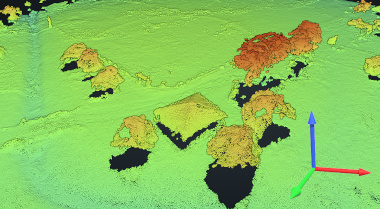
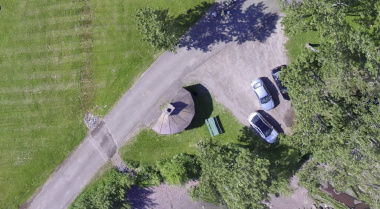
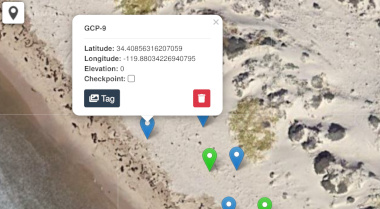
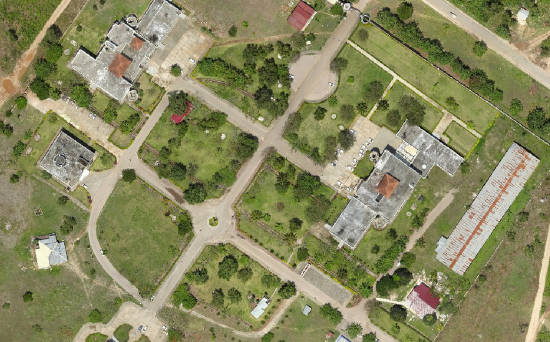
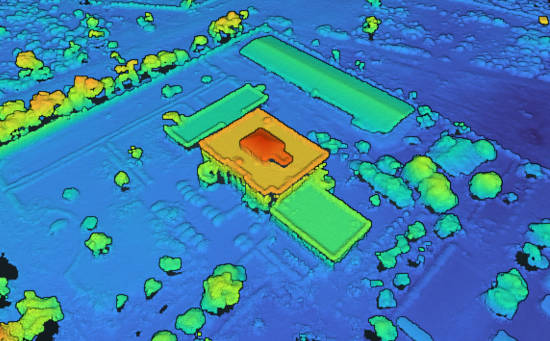
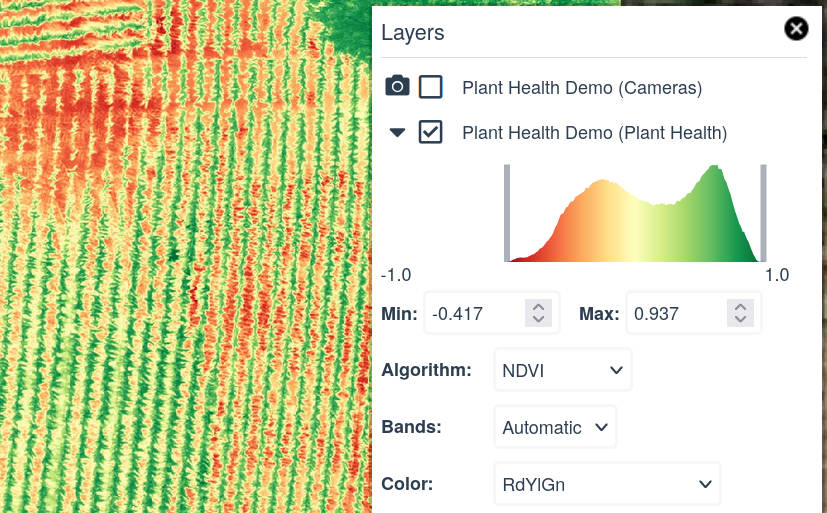
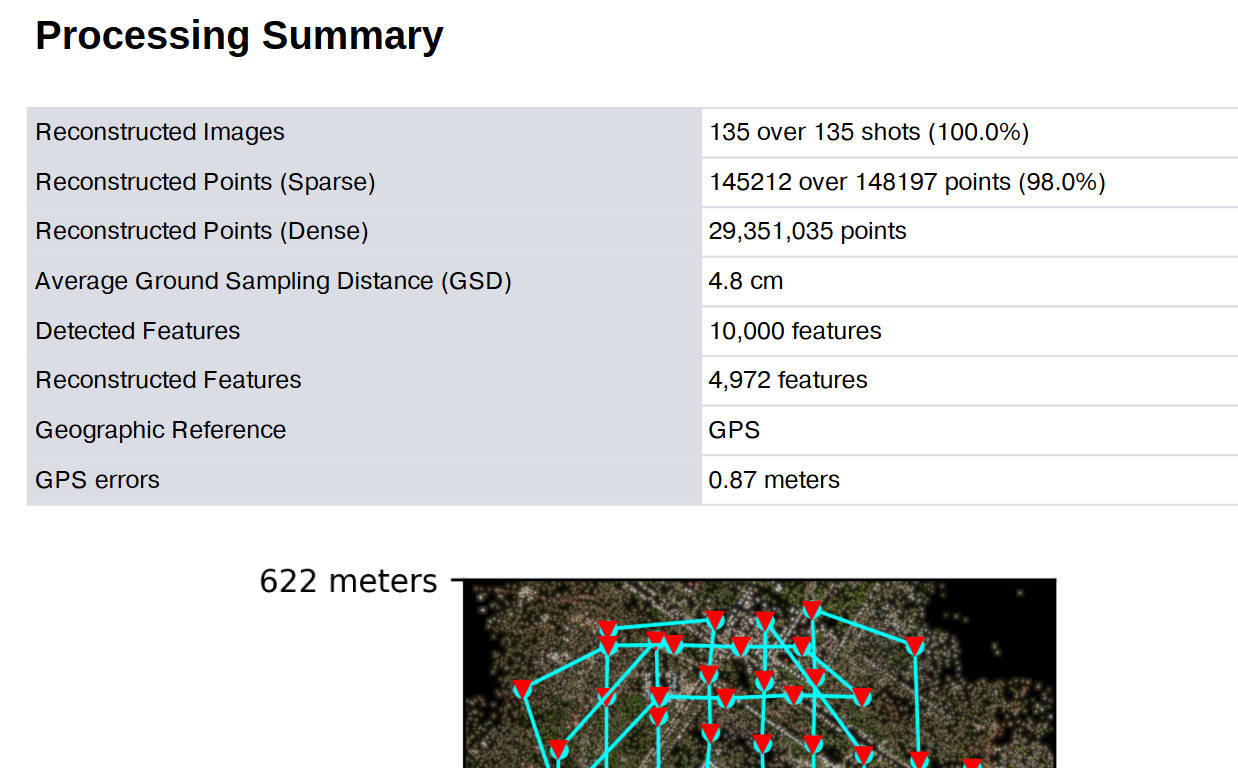
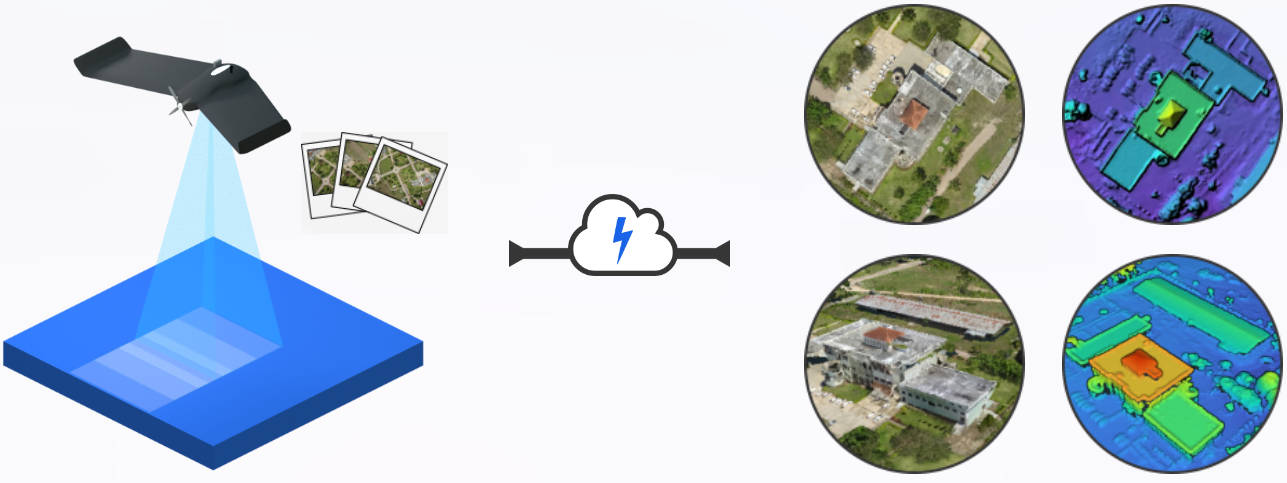
 WebODM