
For some, the phrase carries the weight of survivor's guilt or the shame of non-participation. Modern online forums show individuals grappling with the phrase in the context of global conflict, where staying safe while others suffer creates an internal identity of a "coward" ( gyáva ). Psychological Reflection: The Limit of the Self
Modern lyrics, such as those by Atka , use "Gyáva vagyok" to describe the inability to let go or the fear of emotional vulnerability. It frames the speaker as "too bad" or "not okay," using cowardice as a shorthand for emotional self-sabotage.
To say "Gyáva vagyok" is to strip away the universal human mask of competence. In many cultures, but perhaps most poignantly in the Hungarian tradition of "sírva vigad" (rejoicing while weeping), acknowledging cowardice is a form of radical honesty. It is an admission that the "lyrical I" or the individual has reached a boundary they cannot cross—whether that boundary is a battlefield, a romantic commitment, or a moral crossroads. The Literary Echo: From Ady to Reményik
Below is an essay exploring this theme through various lenses, including psychological depth, literary echoes, and modern interpretations. The Anatomy of Admission: An Exploration of "Gyáva Vagyok" Introduction: The Weight of Two Words





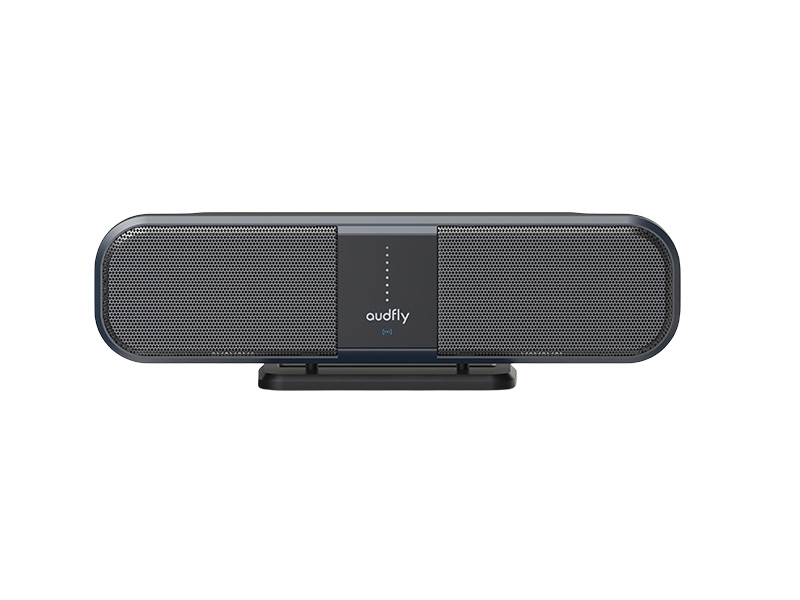
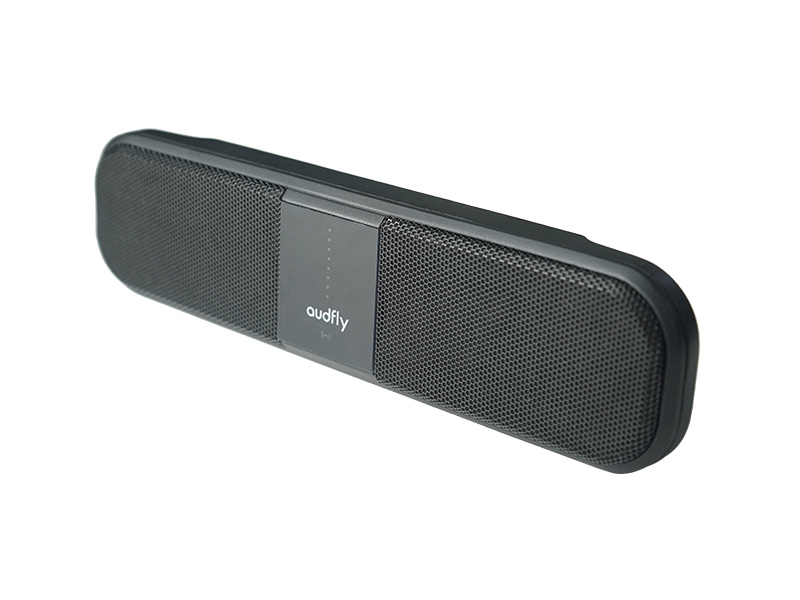
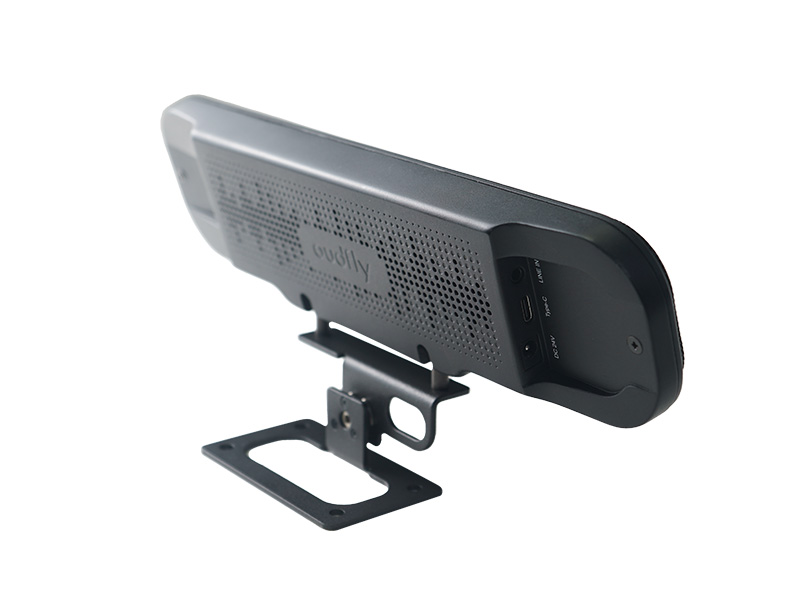
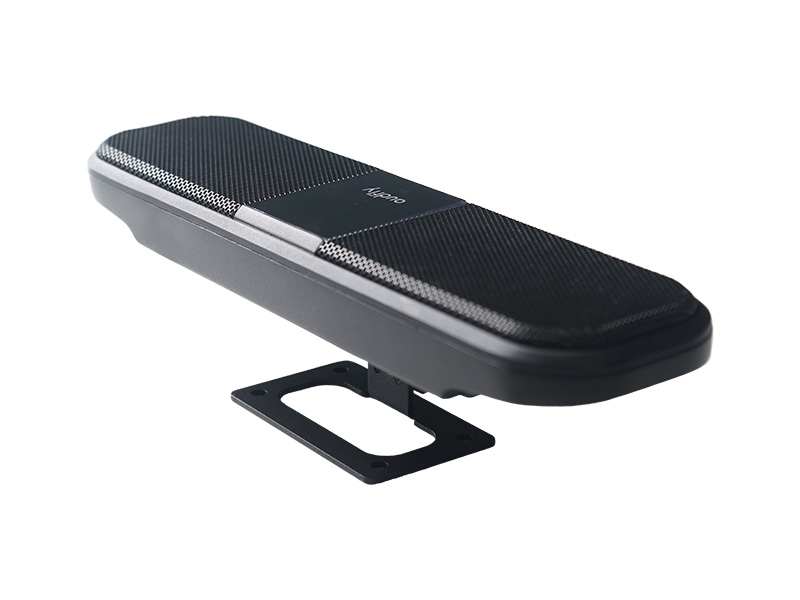
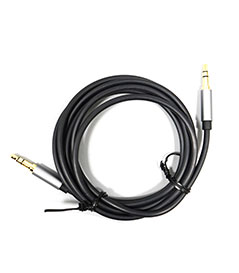
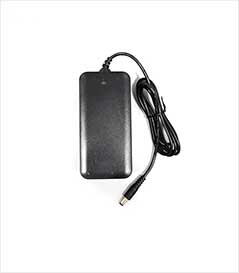
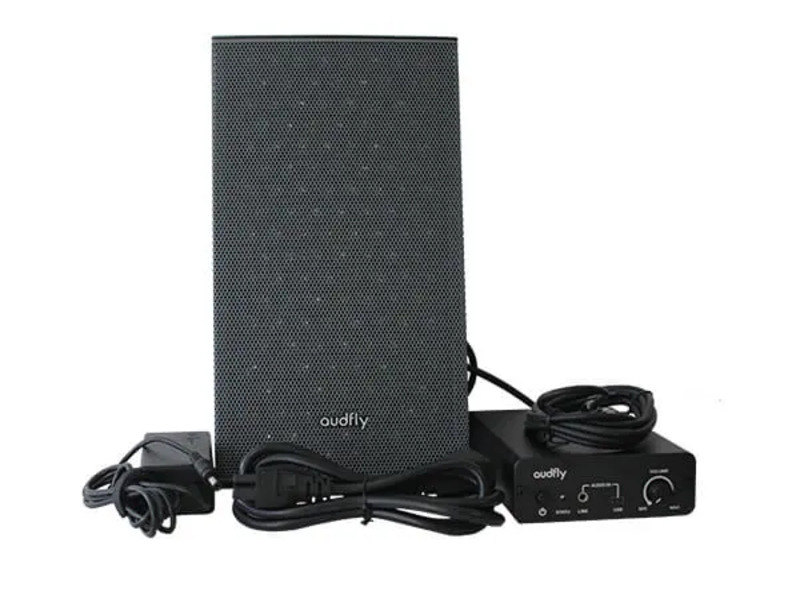
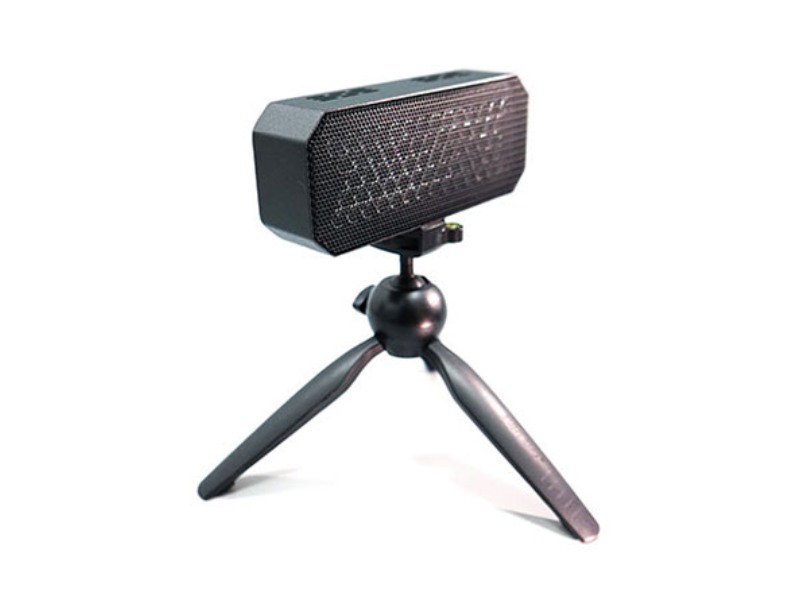
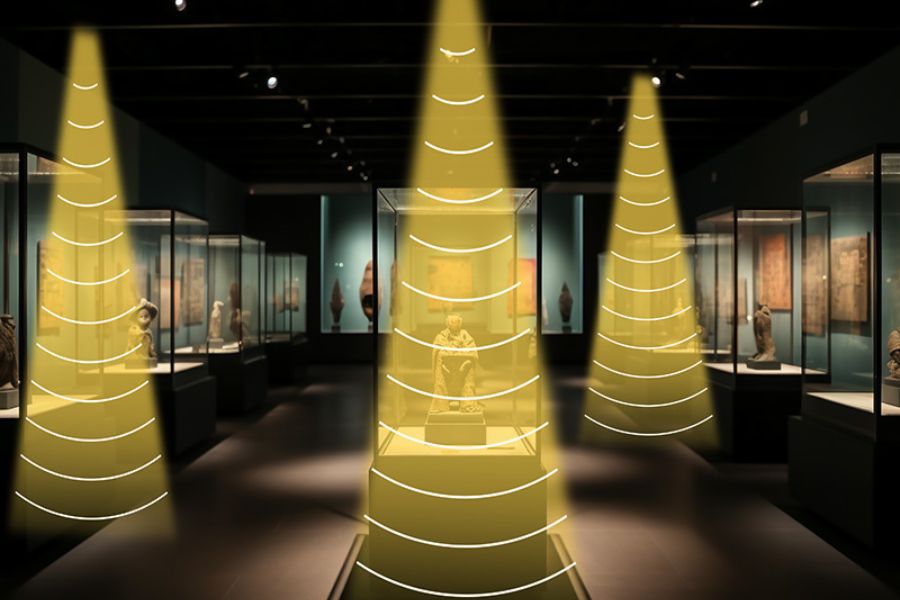
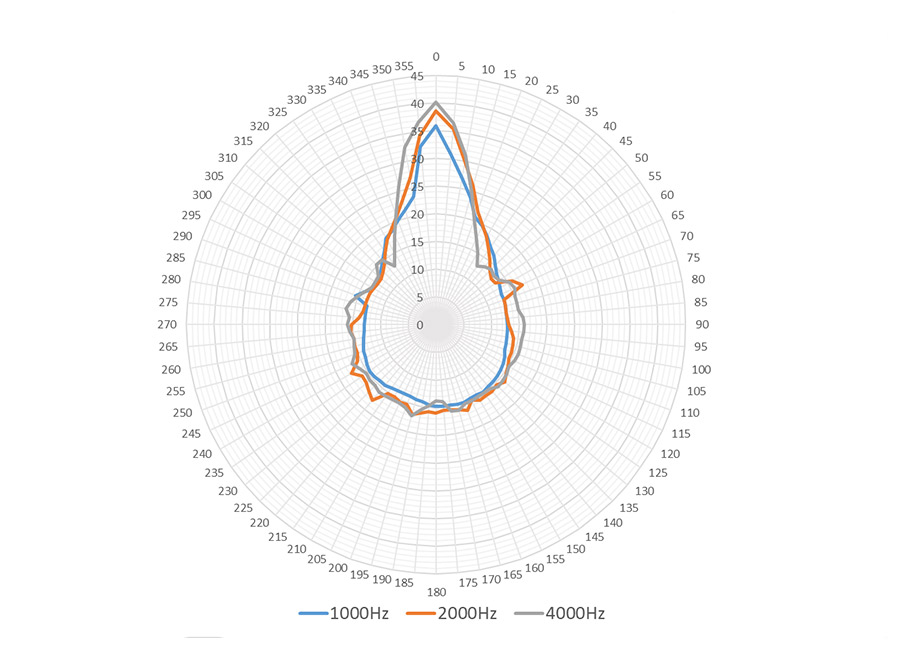
Audfly Directional Speaker X2 leverages exclusive patented directional sound technology to deliver sound as precisely as a beam of light, ensuring that audio is transmitted clearly to the intended area without causing disturbances to the surrounding environment. Designed specifically for commercial applications, the X2 is an ideal solution for small exhibitions and quiet indoor spaces where sound zoning is essential. Its ability to provide focused audio without spilling into other areas makes it perfect for creating immersive experiences in business settings, catering to environments that demand clear and unobtrusive sound delivery.
For some, the phrase carries the weight of survivor's guilt or the shame of non-participation. Modern online forums show individuals grappling with the phrase in the context of global conflict, where staying safe while others suffer creates an internal identity of a "coward" ( gyáva ). Psychological Reflection: The Limit of the Self GyГЎva Vagyok
Modern lyrics, such as those by Atka , use "Gyáva vagyok" to describe the inability to let go or the fear of emotional vulnerability. It frames the speaker as "too bad" or "not okay," using cowardice as a shorthand for emotional self-sabotage. For some, the phrase carries the weight of
To say "Gyáva vagyok" is to strip away the universal human mask of competence. In many cultures, but perhaps most poignantly in the Hungarian tradition of "sírva vigad" (rejoicing while weeping), acknowledging cowardice is a form of radical honesty. It is an admission that the "lyrical I" or the individual has reached a boundary they cannot cross—whether that boundary is a battlefield, a romantic commitment, or a moral crossroads. The Literary Echo: From Ady to Reményik It frames the speaker as "too bad" or
Below is an essay exploring this theme through various lenses, including psychological depth, literary echoes, and modern interpretations. The Anatomy of Admission: An Exploration of "Gyáva Vagyok" Introduction: The Weight of Two Words
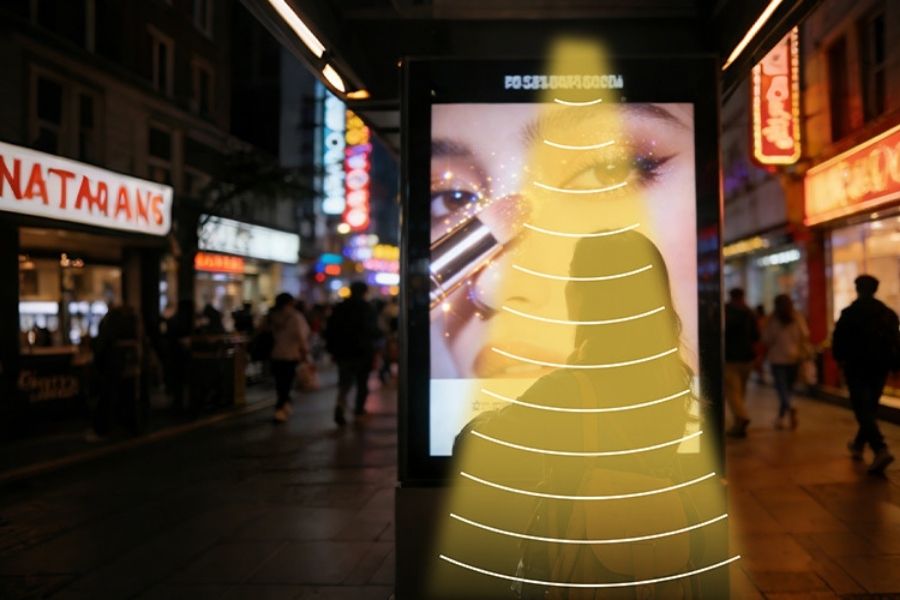
Super Directional Transmission: Create focused audio zones in certain area without disturbing anyone around you.
Applicable to Multiple Scenarios: The Model X2 caters to personal and commercial needs. It enhances audio experiences for individuals with hearing challenges, and excels in small exhibitions and quiet interior spaces where sound zoning is needed.
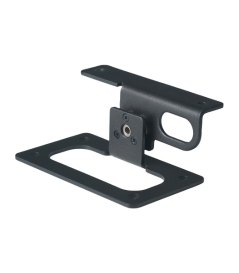
Flexible Install Type: Supports various installation options, including wall mounting, bracket mounting, ceiling suspension, and desktop placement, allowing customers to choose the most suitable installation method based on their needs.