He walked out of the glass-walled office and into the crisp afternoon air. His phone began to vibrate incessantly—angry texts from investors, frantic calls from his lawyer. He ignored them all. For the first time in years, the weight on his chest was gone. He hadn't landed the biggest deal of his career, but as he drove toward the office to tell his team their jobs were safe, he knew he had finally closed the only deal that actually mattered. If you'd like, I can:
Elias looked at the "Exit Strategy" clause. It promised him wealth, but it guaranteed the termination of three hundred employees—people who had worked in his garage when the company was just a dream. He thought of Sarah in accounting, who was putting her son through college, and Mike in the warehouse, who had just bought his first home. Don’t get the deal
The voice was his father’s, rasping and distant, echoing from a memory twenty years old. It wasn't a command; it was a warning Elias had ignored for months. He looked at the CEO, Marcus, whose smile was as polished and cold as the marble floors. Marcus wasn’t buying a company; he was buying a competitor to dismantle it. He walked out of the glass-walled office and
Change the (e.g., a gritty underworld deal or a high-stakes sports trade). Focus on the aftermath of his decision a year later. For the first time in years, the weight
Marcus blinked, his smile faltering. "Excuse me? We’ve spent six months on this."
"The terms have changed," Elias said, standing up. "Or rather, I have. My people aren't line items on a spreadsheet. They’re the reason this company exists. If this deal requires their heads, then there is no deal."
The fluorescent lights of the boardroom hummed, a sharp contrast to the suffocating silence. Elias sat across from the CEO of Miller Dynamics, his hand hovering near a fountain pen that suddenly felt like it weighed a hundred pounds. On the mahogany table lay the contract—a merger that would make Elias a multi-millionaire and secure his company’s legacy. Don’t get the deal.
%20(8).jpg)
Start Ashtanga yoga with these 10 easy beginner-friendly poses. Clear instructions, modifications, and benefits. No experience needed - practice today!

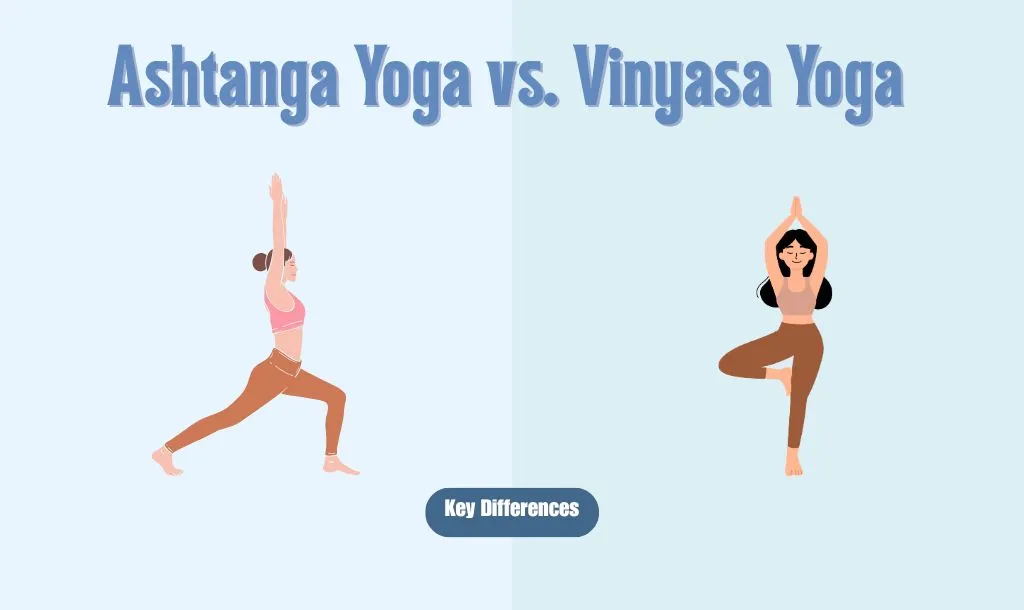
Ashtanga vs. Vinyasa yoga: Learn how these yoga styles differ in flow, structure, and philosophy. Find the perfect fit for your journey and goals!
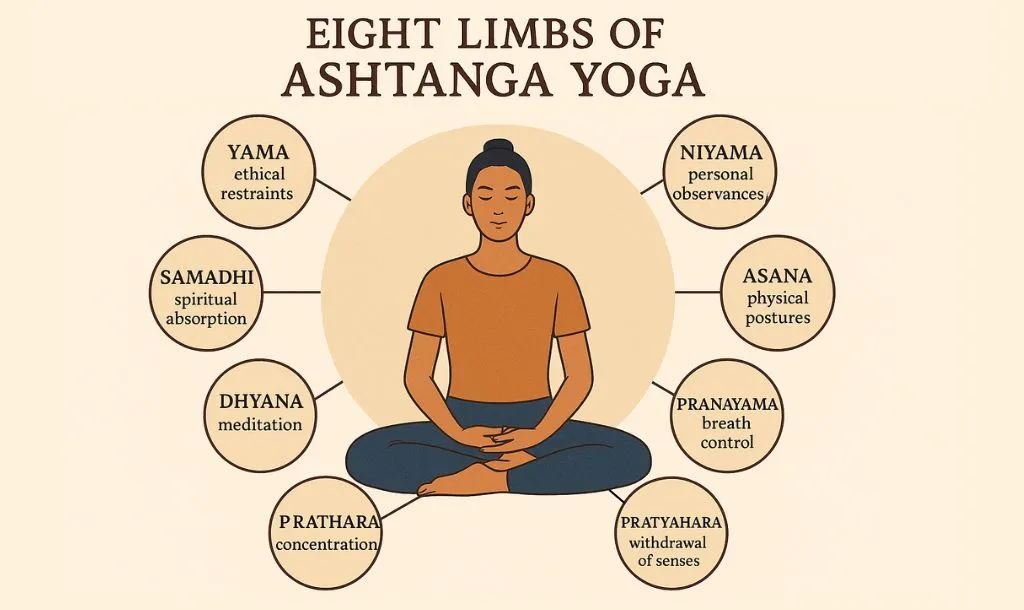
Discover the 8 limbs of Ashtanga Yoga from Patanjali's ancient wisdom. Learn each limb's meaning and how to apply it in modern practice. Start your journey today!


© Copyright 2025 MyYogaTeacher Inc