Literature

Arkeoloji Sг¶zlгјдџгј Pdf Oku May 2026

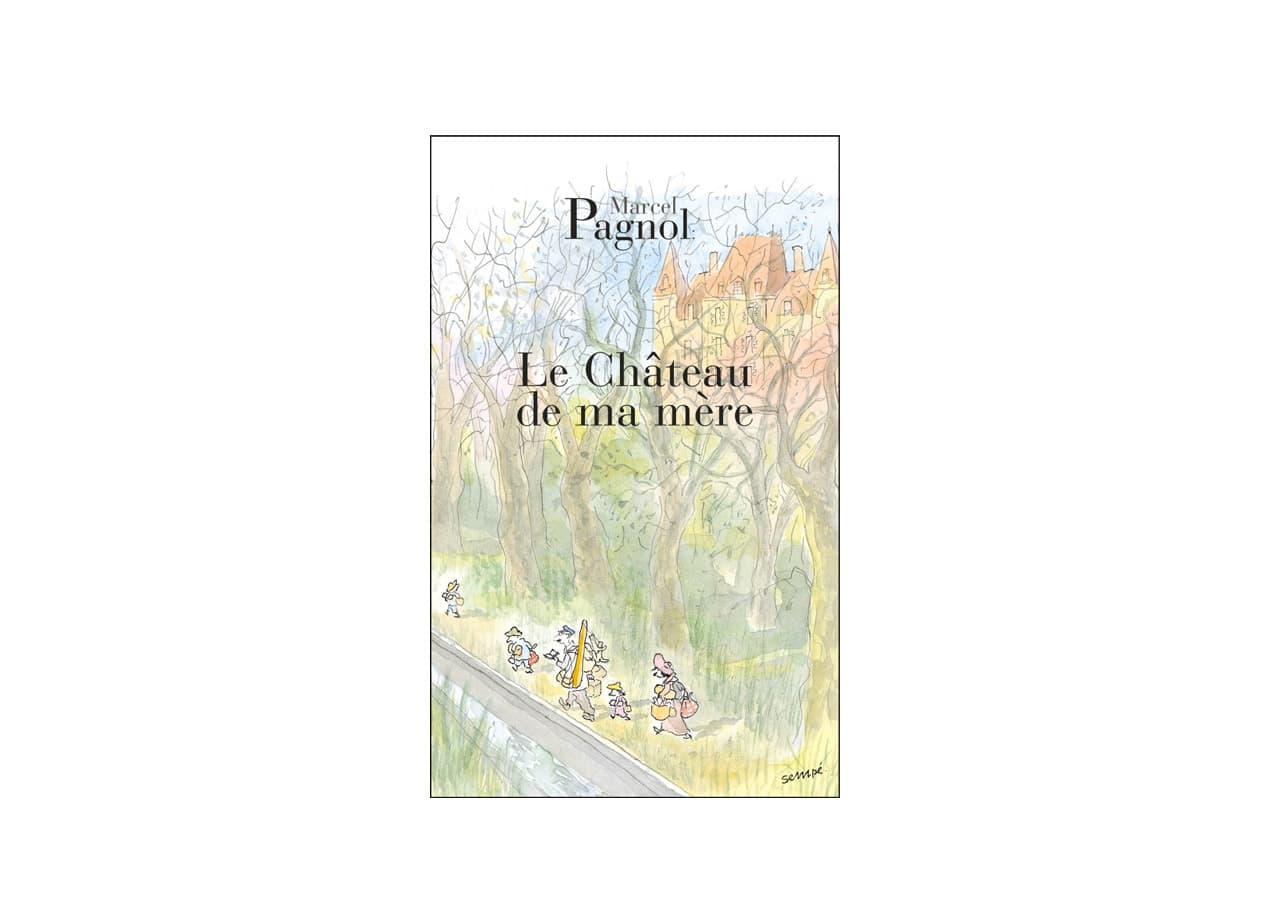
The most beautiful book on child friendship: one morning while hunting in the hills, Marcel meets the little peasant, Lili des Bellons. His vacations and his whole life will be illuminated by it.

The most beautiful book about childhood friendship.

Summary

One year after La Gloire de mon père (My Father’s Glory), Marcel Pagnol thought he would conclude his childhood memories with this Château de ma mère (1958), the second part of what he considered as a diptych, ending with the famous scene of the ferocious guardian frightening the timid Augustine. Little Marcel, after the family tenderness, discovered friendship with the wonderful Lili, undoubtedly the most endearing of his characters. The book closes with a melancholic epilogue, a poignant elegy to the time that has passed. In it, Pagnol strikes a chord of gravity to which he has rarely accustomed his readers.

Hey friend! “
I saw a boy about my age looking at me sternly. You shouldn’t touch other people’s traps,” he said. “A trap is sacred!
” 

– “I wasn’t going to take it,” I said. “I wanted to see the bird.” 

He approached: “it was a small peasant. He was, brown, with a fine Provencal face, black eyes and long girlish lashes.”

Buy online

You will also like:

Arkeoloji Sг¶zlгјдџгј Pdf Oku May 2026

With a hopeful click, she opened the file. As the pages scrolled, it wasn’t just a list of dry definitions. For Elif, each term— Stratigrafi , Nekropol , Kült Katmanı —was a key turning a lock. She found herself lost in the digital pages, where the language of the ancients was neatly categorized for the modern world.

Hours passed. The blue light of her monitor illuminated a face filled with sudden clarity. Under the entry for “Stel,” she found a footnote about a rare variation in Hellenistic craftsmanship that matched the jagged edges of the stone she had unearthed. Arkeoloji SГ¶zlГјДџГј Pdf Oku

She wasn't just reading a PDF; she was walking through a virtual library of human history. By the time the sun began to peek through her curtains, the mystery that had stalled her research for a year was solved. The "Archaeology Dictionary" had bridged the gap between a pile of dust and a story of a lost civilization. With a hopeful click, she opened the file

Elif sat in the dim light of her study, the cursor on her screen blinking like a steady heartbeat. She had spent months searching for a specific reference to decode the inscriptions she’d found at the Perge site, but every lead had gone cold. Then, she saw the link: She found herself lost in the digital pages,
With a hopeful click, she opened the file. As the pages scrolled, it wasn’t just a list of dry definitions. For Elif, each term— Stratigrafi , Nekropol , Kült Katmanı —was a key turning a lock. She found herself lost in the digital pages, where the language of the ancients was neatly categorized for the modern world.

Hours passed. The blue light of her monitor illuminated a face filled with sudden clarity. Under the entry for “Stel,” she found a footnote about a rare variation in Hellenistic craftsmanship that matched the jagged edges of the stone she had unearthed.

She wasn't just reading a PDF; she was walking through a virtual library of human history. By the time the sun began to peek through her curtains, the mystery that had stalled her research for a year was solved. The "Archaeology Dictionary" had bridged the gap between a pile of dust and a story of a lost civilization.

Elif sat in the dim light of her study, the cursor on her screen blinking like a steady heartbeat. She had spent months searching for a specific reference to decode the inscriptions she’d found at the Perge site, but every lead had gone cold. Then, she saw the link: