The file still pops up occasionally on mirror sites. It is often disguised as a popular movie leak or a high-res texture pack. But those who know the legend look for that specific, nonsensical string of digits. They say if you hear a low hum coming from your computer while idling, the file has already found a way in, waiting for you to hit play and let the shadow into your history.
Elias watched in horror as his family photos were opened and re-saved automatically. In every picture, that same jagged, pixelated shadow from the video was now standing in the background. His graduation photo, his sister’s wedding, his childhood birthdays—all of them were now "infected," the shadow creeping closer to the subject in every frame. The Aftermath 12897641238.mp4
When Elias clicked play, his monitor didn't show a video. Instead, the screen flickered a bruised purple. A low-frequency hum—a sound like a thousand bees vibrating inside a glass jar—began to leak from his speakers. The Contents The file still pops up occasionally on mirror sites
As the timer hits , a shadow crosses the doorway. It isn't a person. It is a silhouette made of digital artifacts—glitches, "snow," and jagged pixels. The shadow stops and looks directly into the camera. At that exact moment, the viewer’s computer begins to scream. Not the speakers—the hardware. The cooling fans spin to their physical limit, and the hard drive begins a frantic, rhythmic clicking. The "Overwriting" They say if you hear a low hum
The true horror of 12897641238.mp4 is what it does to the host machine. While the video plays, it systematically locates every image and video file on the user's hard drive. It doesn't delete them; it merges them.
The file first appeared on an obscure peer-to-peer network in the late 2010s. It was massive for its time, exactly 12.8 gigabytes, despite its short duration. Elias, a digital archivist obsessed with "dead media," was the first to document its effects. He found it buried in a corrupted server farm in Reykjavik, sitting alone in a folder labeled “NON-RECOVERABLE.”
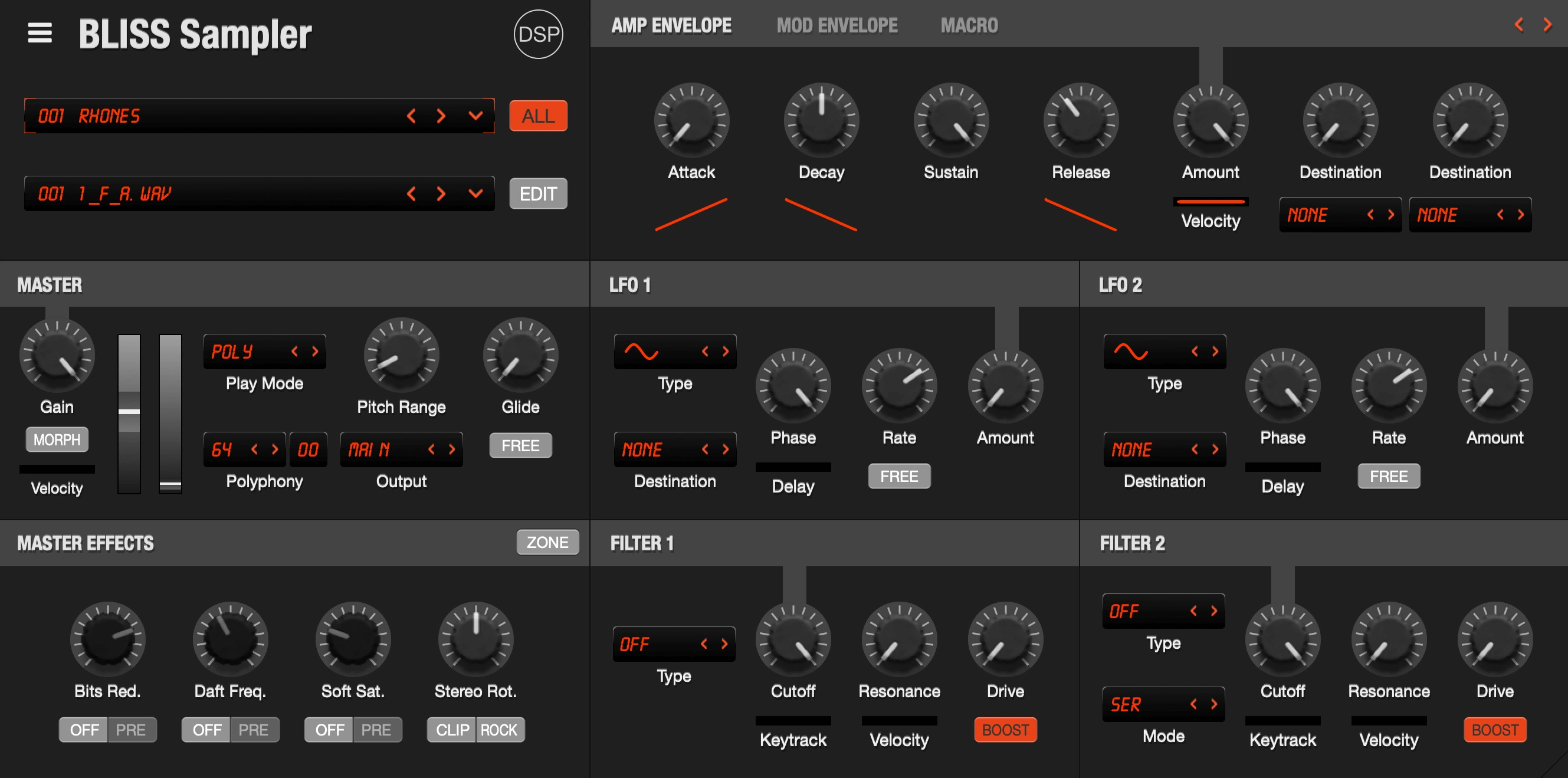
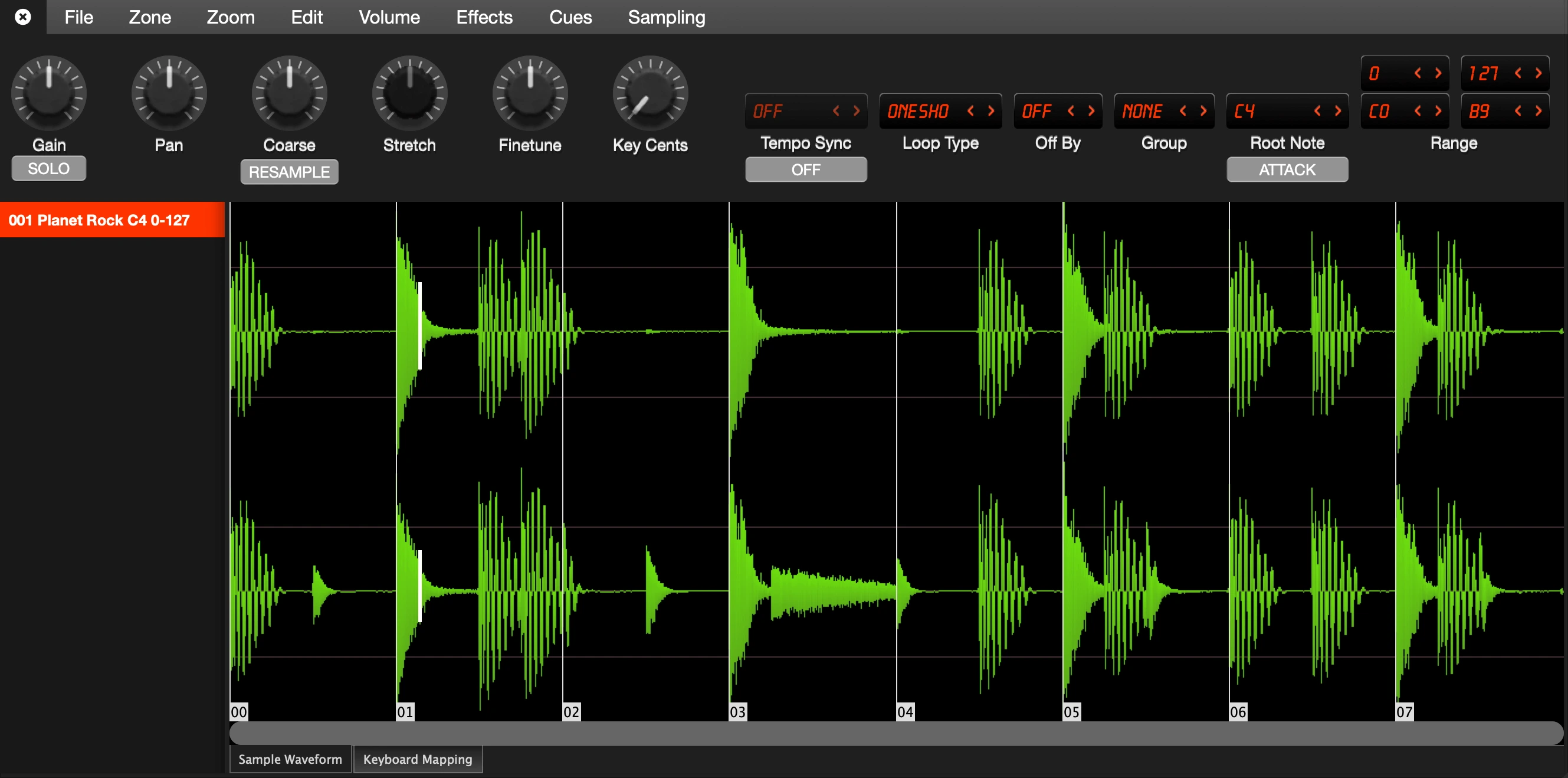
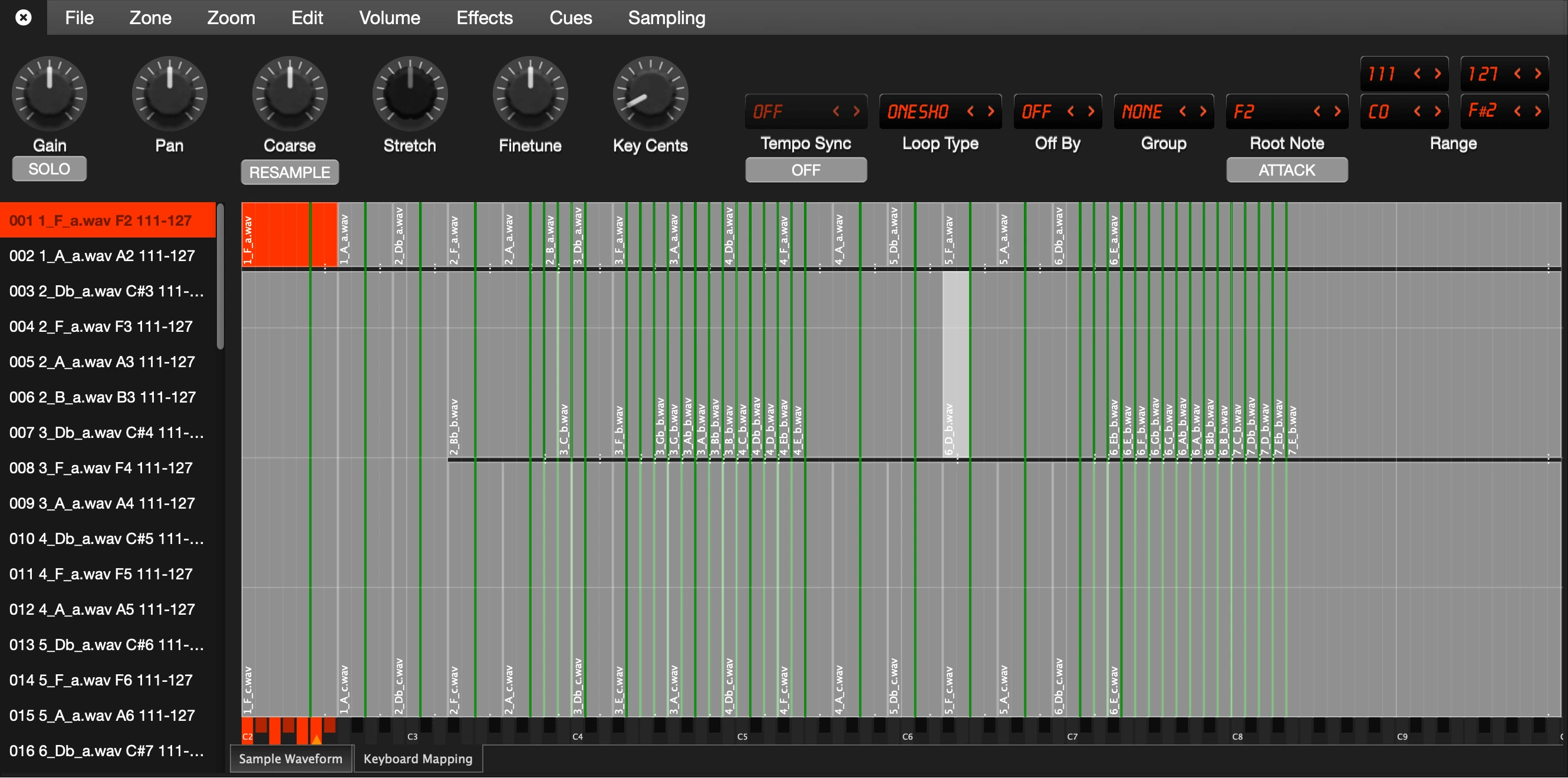
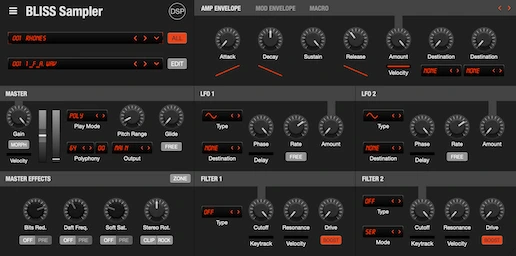
Experience discoDSP Bliss, the ultimate sampler. Record VST and AU instruments as SFZ files without quality loss. Customize your sound with a scalable GUI, wave editor, 7 effects, and versatile modulation. Enjoy up to 64 voices, 4X oversampling, and full MIDI control. Bliss offers exceptional playback and creative possibilities for any production. Elevate your music with the powerful and intuitive Bliss sampler.


The file still pops up occasionally on mirror sites. It is often disguised as a popular movie leak or a high-res texture pack. But those who know the legend look for that specific, nonsensical string of digits. They say if you hear a low hum coming from your computer while idling, the file has already found a way in, waiting for you to hit play and let the shadow into your history.
Elias watched in horror as his family photos were opened and re-saved automatically. In every picture, that same jagged, pixelated shadow from the video was now standing in the background. His graduation photo, his sister’s wedding, his childhood birthdays—all of them were now "infected," the shadow creeping closer to the subject in every frame. The Aftermath
When Elias clicked play, his monitor didn't show a video. Instead, the screen flickered a bruised purple. A low-frequency hum—a sound like a thousand bees vibrating inside a glass jar—began to leak from his speakers. The Contents
As the timer hits , a shadow crosses the doorway. It isn't a person. It is a silhouette made of digital artifacts—glitches, "snow," and jagged pixels. The shadow stops and looks directly into the camera. At that exact moment, the viewer’s computer begins to scream. Not the speakers—the hardware. The cooling fans spin to their physical limit, and the hard drive begins a frantic, rhythmic clicking. The "Overwriting"
The true horror of 12897641238.mp4 is what it does to the host machine. While the video plays, it systematically locates every image and video file on the user's hard drive. It doesn't delete them; it merges them.
The file first appeared on an obscure peer-to-peer network in the late 2010s. It was massive for its time, exactly 12.8 gigabytes, despite its short duration. Elias, a digital archivist obsessed with "dead media," was the first to document its effects. He found it buried in a corrupted server farm in Reykjavik, sitting alone in a folder labeled “NON-RECOVERABLE.”